

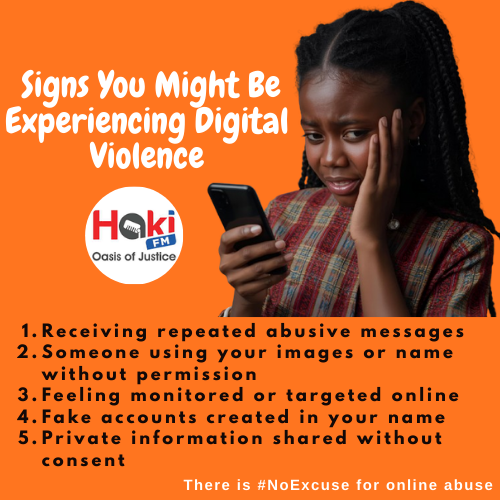
Digital violence refers to harmful behaviours carried out through phones, social media, messaging platforms, or online systems. These behaviours affect people’s safety, dignity, privacy, and psychological wellbeing. While many Kenyans encounter digital hostility at some point, women, youth, and public figures often face the highest levels of risk.
Among the forms of abuse that women and girls in Kenya face is cyberbullying. This includes repeated, hostile behaviour directed at a person through insults, threats, mocking posts, or aggressive messages. In Kenya, learners, public personalities, and ordinary social media users have reported cases of prolonged harassment that leaves emotional and psychological strain.
Online harassment also includes coordinated attacks, name-calling, trolling, and targeting someone’s identity such as their gender, career, or personal life. This form of violence can escalate quickly, especially on platforms where content spreads fast.
The other form of digital abuse is impersonation and identity theft. Impersonation happens when someone creates fake social media accounts or communication channels pretending to be another person. This may be used to spread false statements, damage reputations, or scam others. For many victims, the most distressing part is losing control over how they are represented online.
Identity misuse also includes unauthorized use of a person’s images, name, contact details, or personal information without their consent.
Cyberstalking is another form of abuse and it involves persistent monitoring or unwanted communication that makes someone feel unsafe. It can include repeatedly messaging, tracking someone’s online activity, or using digital tools to follow their movements. Survivors often report feeling watched, anxious, or targeted.
Another common form of digital abuse is non-consensual sharing of personal information. This is commonly known as doxing, this form of digital violence includes exposing private information online such as phone numbers, home location, workplace details, or family contacts without permission. The intention is often to intimidate or embarrass.
In Kenya, such acts have led to harassment, unwanted calls, and threats, leaving victims vulnerable and distressed.
Image-based abuse is also a form of abuse which involves sharing or threatening to share private images of a person without their consent. Although Kenyan laws criminalize some forms of this behaviour, cases continue to rise due to gaps in awareness, reporting systems, and digital literacy.
Victims often experience fear, shame, and emotional harm, especially when such content is shared widely or used to coerce them.
The other form of digital violence is online hate speech which targets individuals or groups based on characteristics such as ethnicity, gender, religion, or profession. Kenya, with its diverse social fabric, experiences periodic spikes in hate speech, particularly during elections or moments of social tension.
This form of digital violence erodes social cohesion and puts vulnerable communities at risk.
Digital surveillance and unauthorized access is also a form of digital violence that involves hacking into someone’s social media accounts, phones, or emails. It may also involve using spyware or monitoring apps to track personal conversations and activities. For many survivors, it feels like a violation of privacy and autonomy.
Online fraud and manipulation is another common form of digital violence. It is often viewed as economic crimes, online fraud, catfishing, and deception can also constitute psychological or emotional violence. Kenyans, particularly youth and women have encountered fake relationships, investment scams, and manipulated online interactions designed to exploit trust.
Digital violence is not just a technological issue, it is a social one. It mirrors the inequalities and behaviors already present offline. The challenge lies in ensuring that as Kenya grows digitally, safety measures grow with it.
Civil society organizations, policymakers, and digital rights advocates are calling for greater awareness, stronger reporting systems, and improved enforcement of digital laws. Tech companies are also being urged to invest in safer platform designs and accessible support tools.
For users, experts recommend building digital literacy, strengthening privacy settings, reporting harmful behaviour early, and supporting anyone who becomes a target of online abuse.
Kenya’s digital future is bright, but to fully realize its potential, the country must confront the rising tide of digital violence one click, one conversation, and one safe space at a time.